We all know meditation is good for you. It’s like a vitamin for your mind. It’s also a lot more effort than a vitamin C gummy or an orange. These days it seems like everyone is meditating, from journalists to executives to artists, but that doesn’t make it any easier to get started.
Even once you take the daunting step of starting a meditation practice (“I’m supposed to just… sit there? For how long?”) it is easy to feel like you’re a “bad meditator.” Instructions to acknowledge your thoughts and let them go make meditation sound easy, but if you are one of the nearly half of the population with an internal monologue, not only do you have a voice in your head talking about not thinking, you probably have a voice in your head talking about not listening to the voice in your head. It’s like being told not to think about pink elephants by a pink elephant! Even if you don’t have an inner monologue, you’re still thinking about (on average) six and a half things per minute… which is an awful lot of thoughts to not focus on during a meditation! Called the “monkey mind” in Buddhist practice, this is perfectly normal, but that doesn’t make it pleasant.
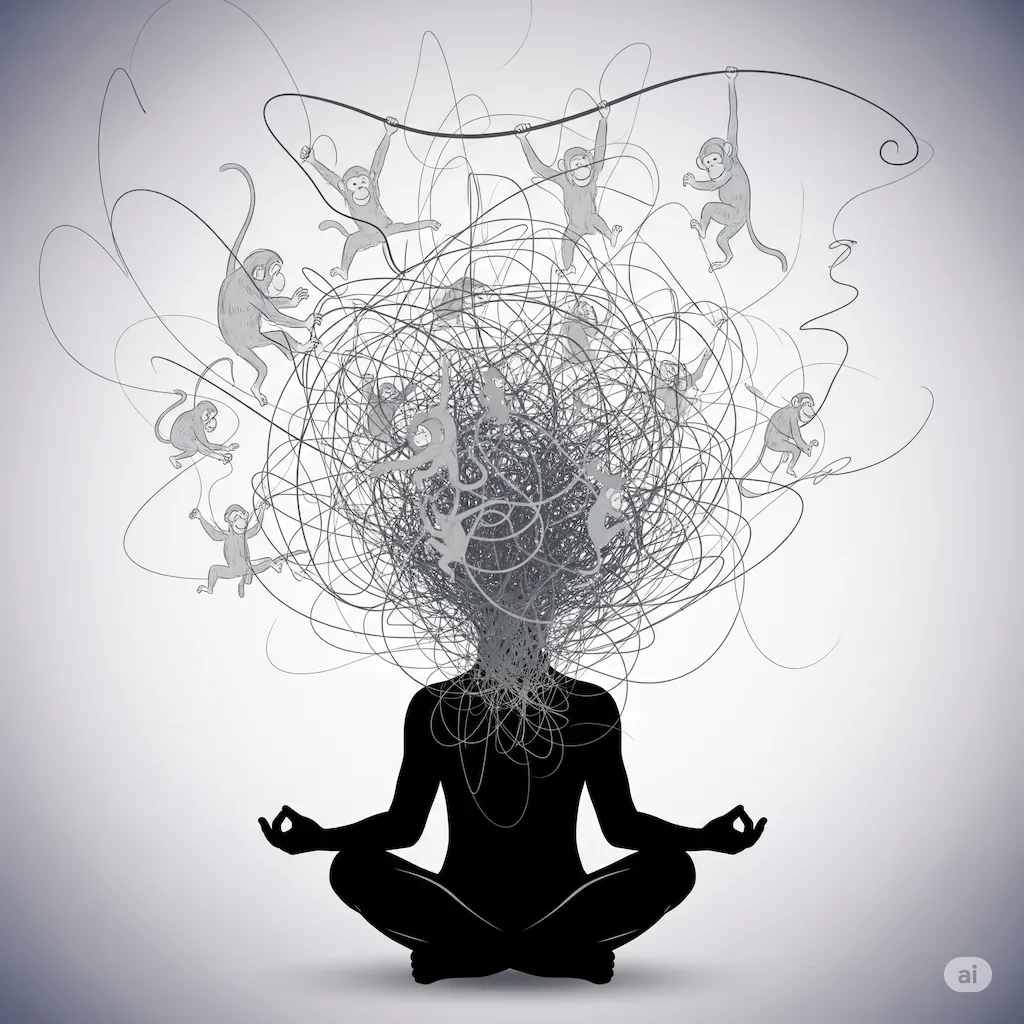
If the thought of sitting down cross-legged to meditate feels intimidating, or if you have tried meditating before and had trouble sitting still and thinking about nothing, a tracing meditation may be a better fit for you.
What is tracing meditation?
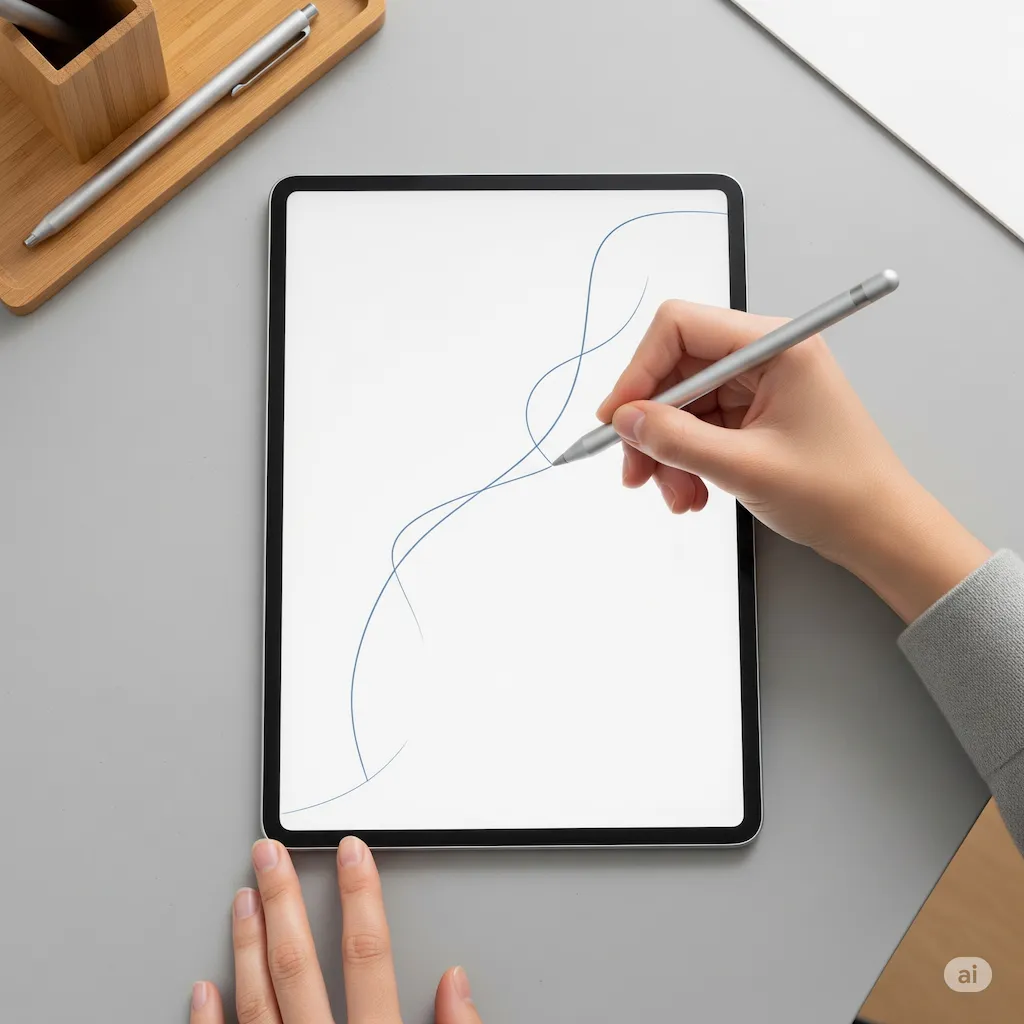
At its core, tracing meditation is nothing more than tracing an image while keeping your focus on the present moment, the sensations in your hand, and the movement of the pen across the paper (or screen, but more on that later). Since you have a model to follow, you don’t have to think so hard about the image as if you were sketching, for example. On the other hand (see what I did there?), though, the lines and the movement of your hand give you something specific to focus your attention on, reducing the clamor of those six and a half thoughts per minute.
How do you do tracing meditation?
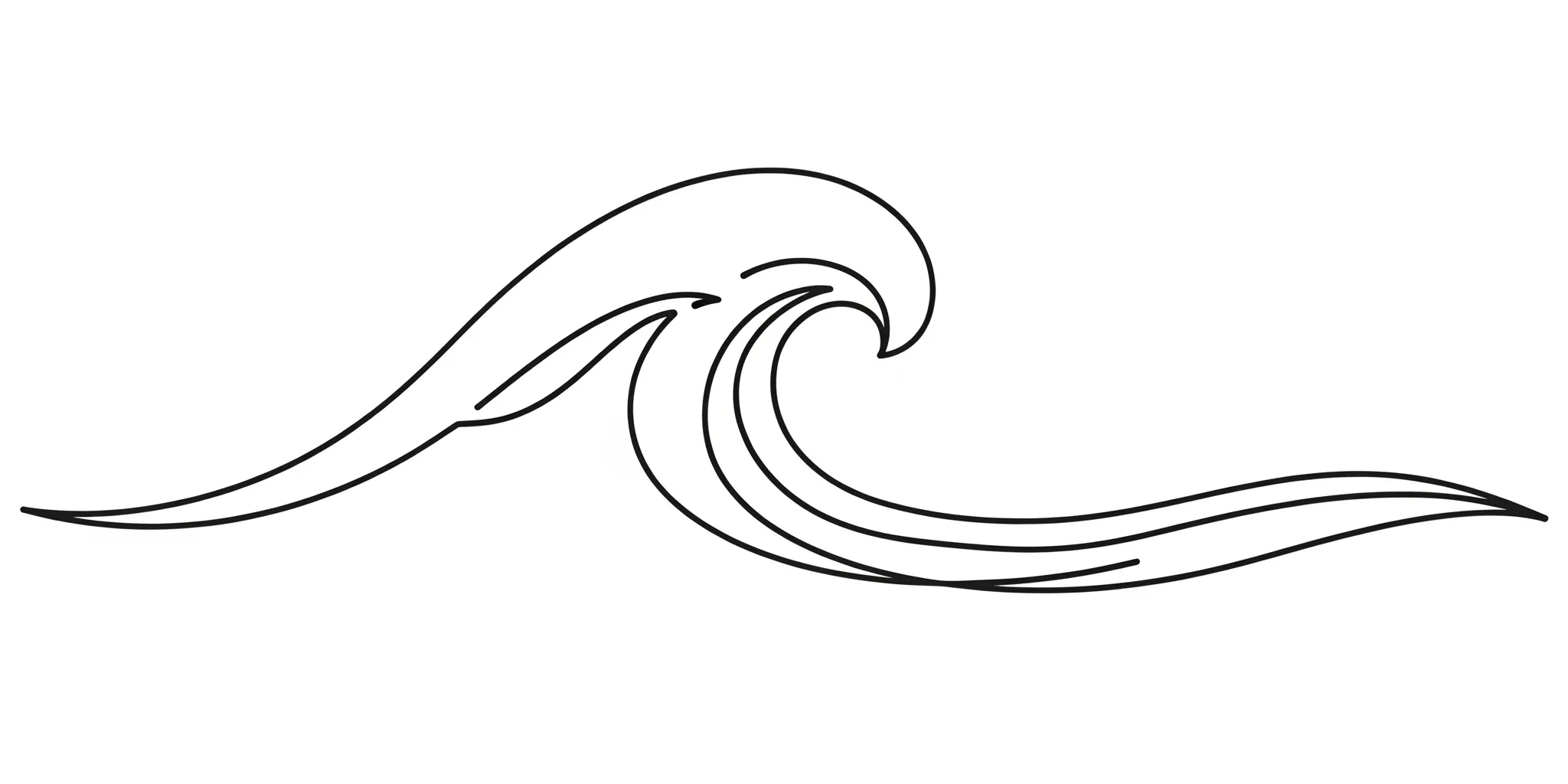
If you have a piece of paper with a line drawing you like on it and a pen or pencil, great. That’s all you need. Next time you feel anxious or in need of a mental recharge, you can use that piece of paper and pencil for a tracing meditation. If, however, you don’t or if carrying around a ream of paper with calming images is inconvenient, you can you use an app like Ibiss to complete a tracing meditation on a tablet, or even a phone, using either a stylus or your finger. Select images that speak to you, and trace for five minutes, or one minute, or fifteen minutes. However long you need to center yourself on the present moment, or however long you have before your next meeting.
This may sound like a technique that requires special artistic abilities, but your goal is not actually to reproduce the image you are tracing. Your goal is simply to trace the image. Made a mistake? That’s fine, just keep going. It’s just an extra line (or two, or ten), after all. After you have finished tracing the lines, you need not keep the image, or dwell on any imperfections. Simply start tracing a new image (or even trace the same image over and over… it might sound boring but it is actually very relaxing!). Only have time for a single image? That’s fine too. Consistency is more important than volume. Tracing one image every day, or even every week, is a good start, and if it works for you, you can always add more. And if you need a quick mindful reset before (or after) a stressful conversation, a tracing meditation can be perfect: choose a simple image and you only need the minute or two after you get off the phone with your partner or your boss arrives for your meeting to recenter on the present moment.
Starting a practice
Of course, tracing meditation also might not be for you, in which case there are other options: yoga, knitting, martial arts, seated meditation… if one of these (or something else) works for you, that’s great! Pretty much all forms of mindfulness have shown positive results, and starting your mindfulness practice with yoga or guided meditations is a fantastic way to start (it’s how I did it!). Even if you find other forms of mindfulness that work for you, tracing meditations can remain a powerful tool in your toolkit, combining the centering presence of movement with the aesthetic relaxation of art into a routine that can help you find the benefits of mindfulness without suffering through self-doubt imposed by your monkey mind.