
We live in the age of optimization, yet somehow we can't seem to optimize our way into a meditation practice. We know mindfulness reduces stress, improves focus, and enhances wellbeing—the research is overwhelming. We've downloaded the apps, bookmarked the articles, maybe even bought a meditation cushion. But between morning meetings and evening obligations, finding thirty minutes to sit cross-legged feels about as realistic as finding thirty minutes to learn Mandarin.
Here's the thing: you don't need thirty minutes. You don't even need ten. Tracing meditation offers a solution for the perpetually time-crunched, a practice that adapts to your schedule rather than demanding you reshape your life around it.
The power of the "micro-meditation"
Recent neuroscience research reveals that meaningful changes in brain activity can occur with meditation sessions as brief as two to five minutes. When researchers at Carnegie Mellon University studied ultra-brief mindfulness interventions, they found that even single, short sessions could measurably reduce stress responses. This isn't about cutting corners—it's about meeting yourself where you are.
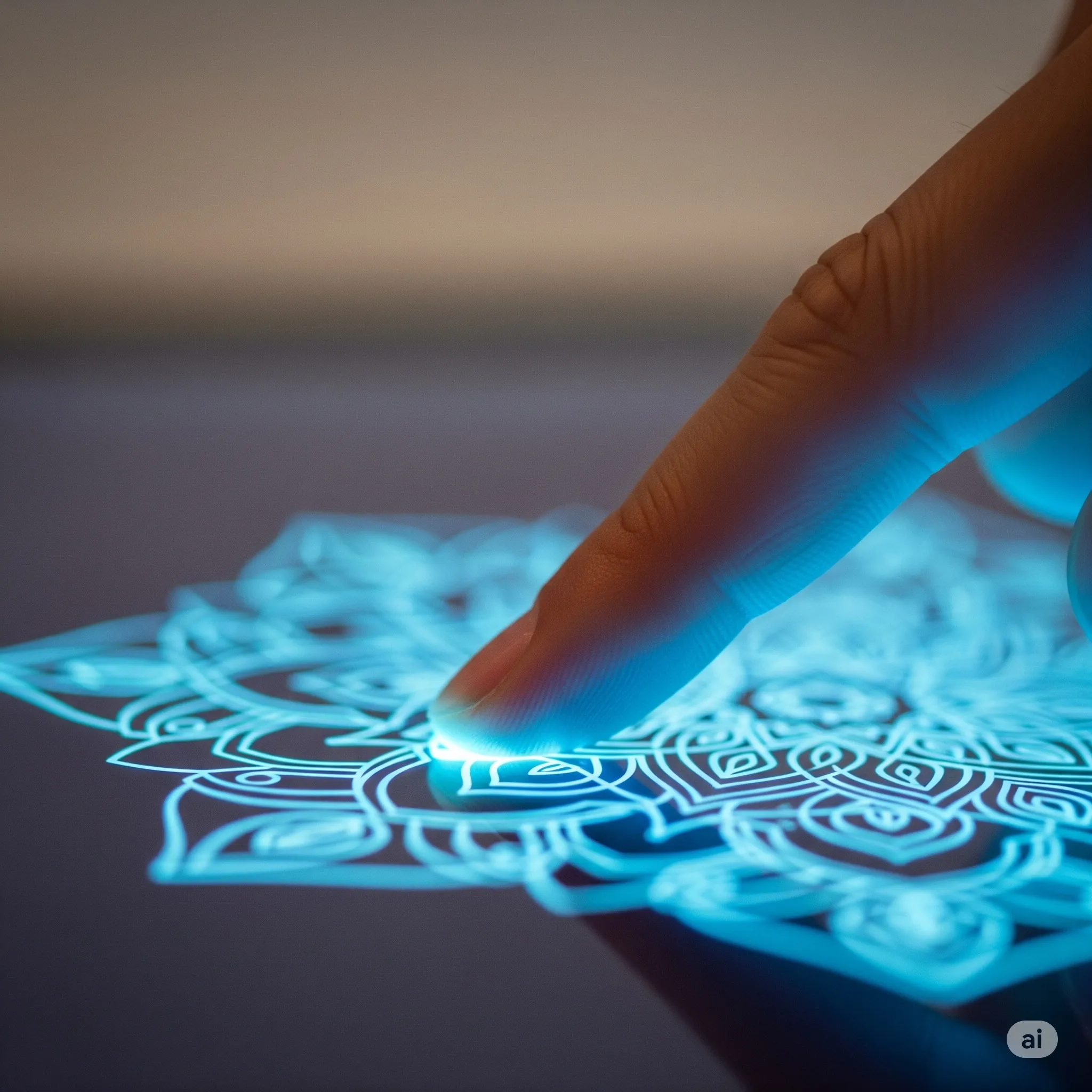
Tracing meditation is perfectly suited for these micro-sessions. Unlike traditional seated meditation, where brief sessions can feel rushed or incomplete, tracing gives you a concrete task to focus on. You can trace a single mandala in two minutes, a nature scene in five, or spend fifteen minutes on an intricate geometric pattern. The practice scales naturally to whatever time you have available.
Consider these real-world applications: a five-minute tracing meditation between back-to-back video calls can reset your nervous system and improve your presence for the next meeting. A two-minute session before tackling a creative project helps set your intention and quiet the internal chatter that often blocks innovation. Even stealing ninety seconds in a bathroom stall (we've all been there) can provide enough time for a meaningful mindful moment.
Mindfulness anywhere, anytime
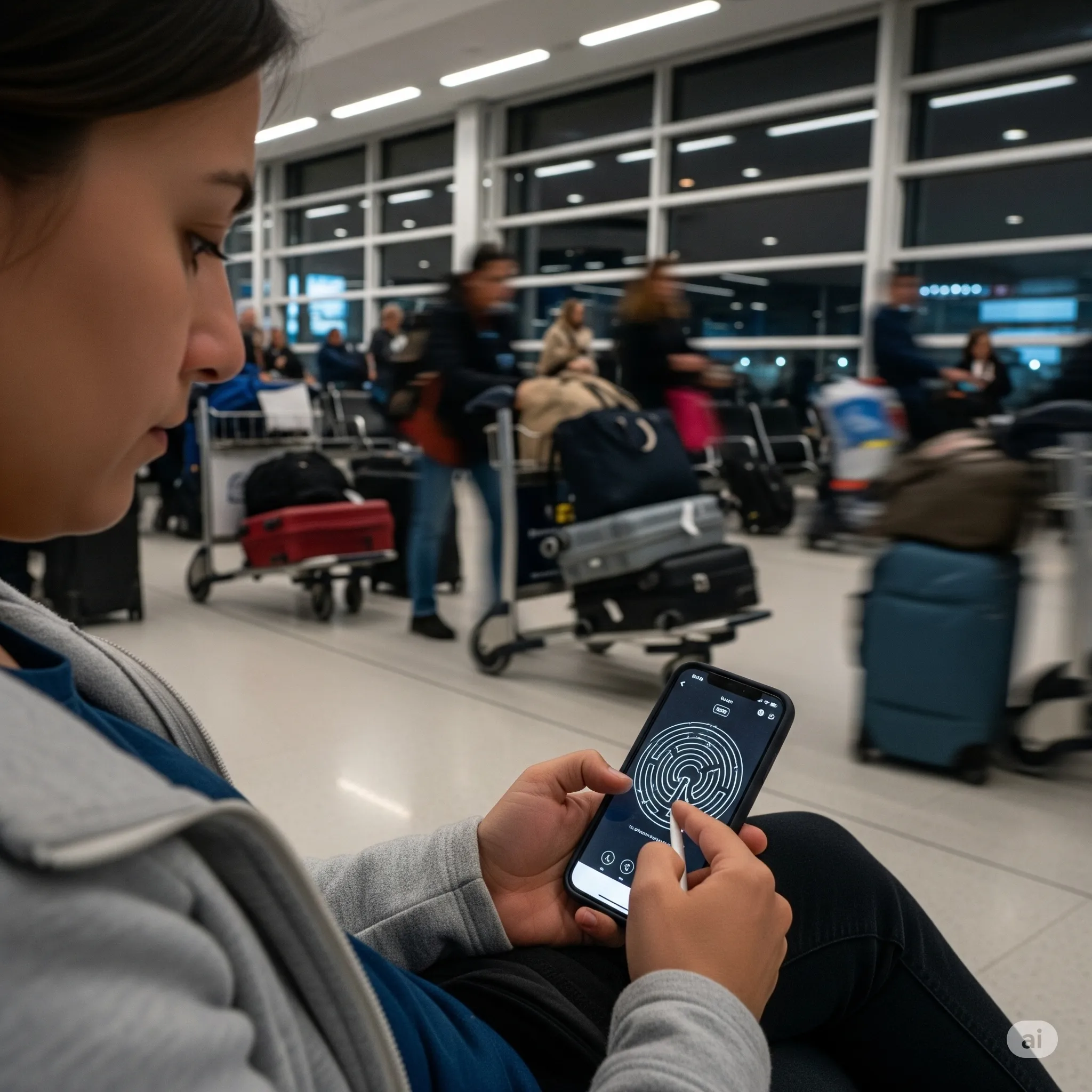
The beauty of tracing meditation lies not just in its brevity, but in its radical accessibility. While a walking meditation requires space to walk and yoga demands room to stretch, tracing asks for nothing more than the space of a phone screen. Airplane seat 34B, cramped and uncomfortable? Perfect for tracing. Waiting room with outdated magazines and fluorescent lighting? Ideal tracing territory. Stuck in a cast or dealing with limited mobility? Tracing works with whatever range of motion you have—you can even use your non-dominant hand.
This accessibility matters more than we might initially realize. Research on habit formation shows that environmental friction—the small barriers that make a behavior slightly more difficult—can be the difference between a practice that sticks and one that fades. When your mindfulness practice requires finding the right space, the right time, and the right physical conditions, you're adding friction. When it requires nothing more than the device already in your pocket, you're removing barriers.
Building a sustainable habit
While research suggests that longer sessions of 10-15 minutes provide optimal benefits for starting your day with clarity and intention, the accessibility of shorter sessions creates something perhaps even more valuable: consistency. James Clear, author of "Atomic Habits," argues that the most important aspect of building any new habit is showing up repeatedly, even if the initial sessions are imperfectly small.
This is where tracing meditation shines. Starting with two-minute sessions makes it nearly impossible to talk yourself out of practicing. "I don't have time" becomes a much weaker excuse when the practice requires less time than brewing your morning coffee. As the habit solidifies—as reaching for your phone to trace becomes as automatic as checking your email—you naturally find yourself extending sessions when time allows.
Many Ibiss users report following this exact progression: beginning with daily two-minute "commitment sessions" that establish the habit, then gradually expanding to five or ten minutes as the practice becomes integrated into their routine. The key insight is that a two-minute daily practice creates more cumulative benefit than sporadic twenty-minute sessions attempted whenever motivation strikes.
Research from Stanford's Behavior Design Lab supports this approach, showing that tiny habits—behaviors requiring less than thirty seconds to complete—have success rates above 80%, while ambitious habits often fail within weeks. By starting impossibly small with tracing meditation, you're not settling for less; you're engineering success.
Your schedule is not the enemy
The modern world presents unprecedented demands on our attention and time, but it also offers unprecedented tools for adaptation. Rather than viewing a packed schedule as the enemy of mindfulness, we can see it as an opportunity to practice a different kind of presence—one that doesn't require retreating from the world but engaging with it more skillfully.
Tracing meditation isn't a consolation prize for people too busy for "real" meditation. It's a recognition that mindfulness, at its core, is about quality of attention rather than quantity of time. When you trace mindfully for two minutes, focusing completely on the movement of your finger and the lines emerging on the screen, you're cultivating the same fundamental skill developed in any contemplative practice: the ability to be fully present with whatever is happening right now.
A lack of time doesn't have to be a barrier to developing a mindfulness practice that transforms how you move through your days. Sometimes the most profound changes come not from adding more to our lives, but from bringing deeper attention to what's already there.