For centuries, Western culture has treated the mind and body as separate entities—think Descartes' famous "I think, therefore I am." But what if your thoughts aren't just happening in your head? What if your emotions live in your muscles, your memories are stored in your nervous system, and your path to healing runs directly through your hands?
Modern neuroscience is revealing what ancient healing traditions have long understood: the mind and body aren't separate at all. They're one integrated system—what researchers call the "embodied mind." And this discovery is revolutionizing how we approach wellness, trauma healing, and even simple stress relief.
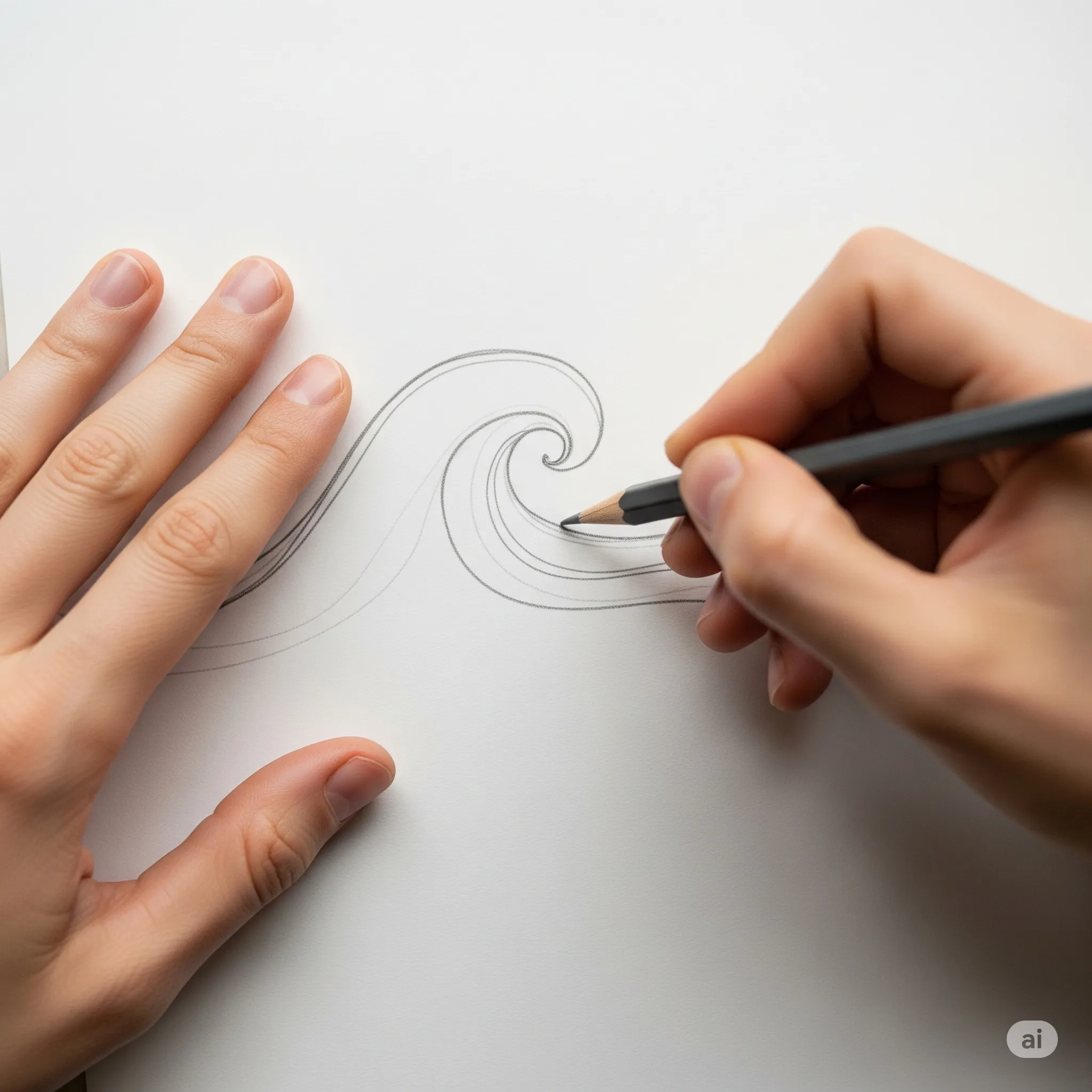
The most remarkable part? You can tap into this mind-body connection with something as simple as moving a pen across paper.
Beyond "mind over matter": what the embodied mind really means
The embodied mind isn't just a poetic metaphor—it's a fundamental shift in how science understands human experience. Recent research shows that trauma becomes embodied in somatic experiences, disrupting cognitive functions and emotional responses, leading to symptoms such as chronic pain and dissociation. In other words, your body doesn't just carry out your mind's commands—it actively shapes your thoughts, emotions, and perceptions.
Consider this: when you're anxious, your breathing becomes shallow, your shoulders tense, and your heart rate increases. But here's the fascinating part—the reverse is also true. Change your breathing, relax your shoulders, and your mind naturally begins to calm. Your body isn't just responding to anxiety; it's actively involved in creating and resolving it.
This is why so many people find traditional "sit still and clear your mind" meditation frustrating. You're asking your mind to calm down while ignoring the very system that could actually help—your body. It's like trying to steer a car while pretending the steering wheel doesn't exist.
Your hands: the unsung heroes of your nervous system
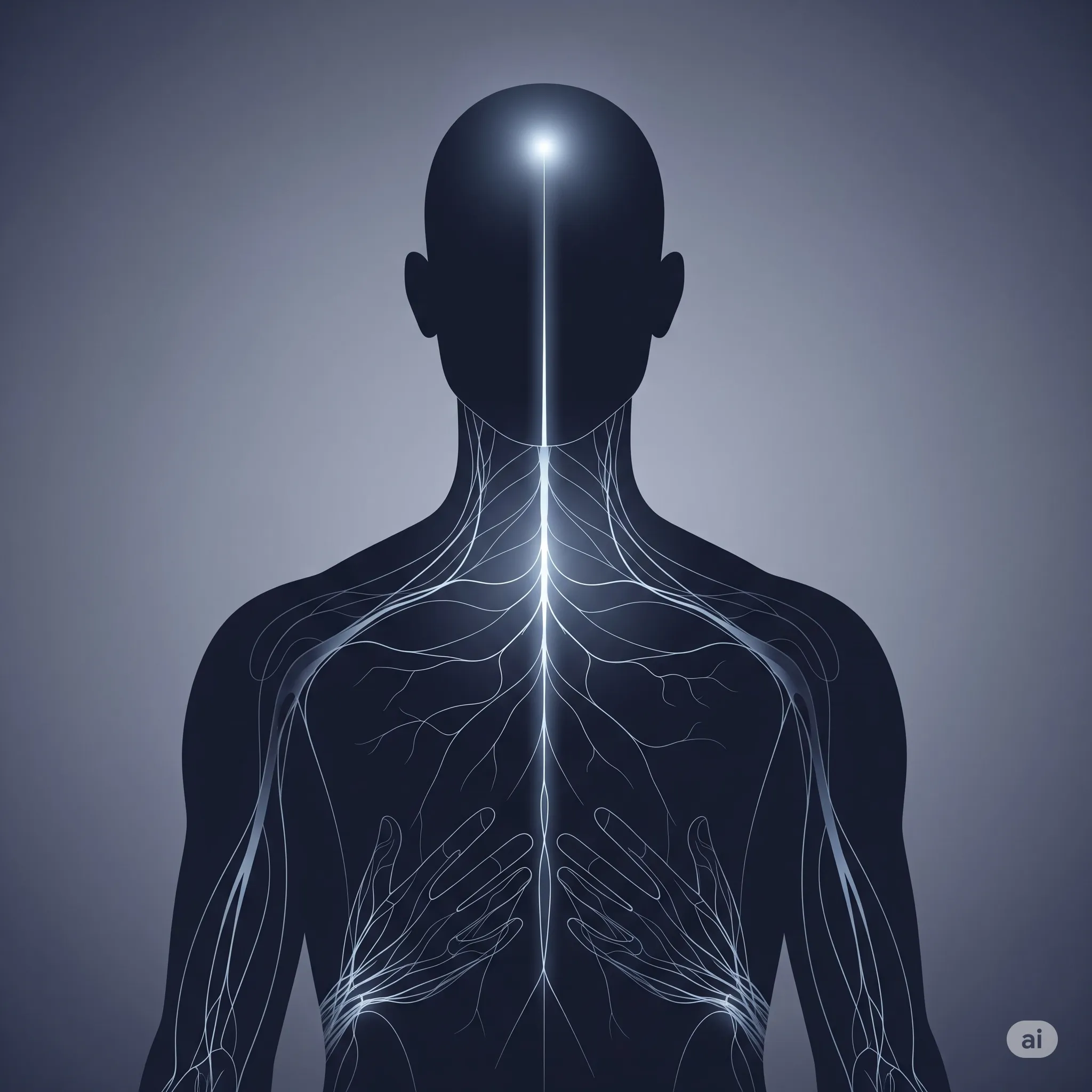
Your hands occupy more space in your brain than any other body part except your face. This isn't an accident of evolution—it reflects the profound connection between hand movements and mental states. The ability to control dexterous hand movements parallels the evolutionary development of the corticospinal tract and direct connections between brain neurons and motor neurons, which developed uniquely in higher primates.
When you move your hands mindfully—whether you're kneading bread, playing piano, or yes, tracing an image—you're activating neural pathways that directly communicate with your emotional regulation centers. Your hands become a bridge between your conscious awareness and your unconscious nervous system responses.
Think about it: when you're stressed, what do you naturally do with your hands? You might fidget, tap, or gesture more. Your hands are constantly expressing your internal state. Tracing meditation simply reverses this process—using intentional hand movements to influence your internal state.
The science of soothing: how tracing calms your nervous system
Embodiment therapies, such as somatic therapy, utilize the body's sensations and movements to facilitate healing and transformation. When you trace an image, several powerful mechanisms activate simultaneously:
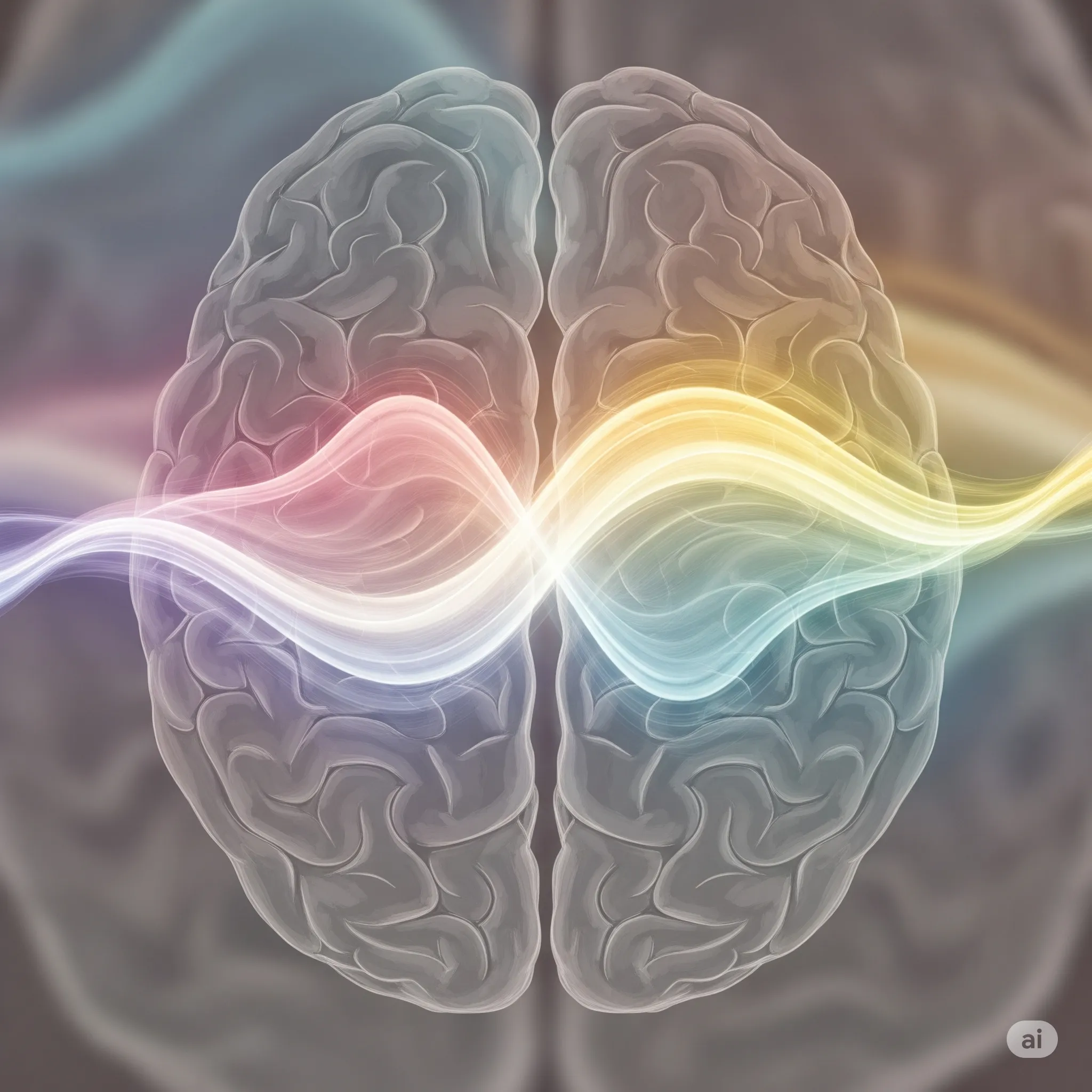
Bilateral stimulation: The cross-lateral movement of tracing activates both brain hemispheres, similar to the mechanism that makes EMDR (Eye Movement Desensitization and Reprocessing) effective for trauma processing. This bilateral activation helps integrate emotional experiences and calm hyperarousal.
Proprioceptive grounding: Proprioception—your sense of where your body is in space—is one of your most calming sensory systems. The precise hand movements required for tracing activate proprioceptive awareness, naturally shifting your nervous system from fight-or-flight into rest-and-digest mode.
Focused attention without effort: Unlike meditation practices that require you to focus on abstract concepts like "the breath" or "emptiness," tracing gives your attention somewhere concrete to land—the tip of your pen and the line you're following. This focused attention naturally quiets mental chatter without the strain of trying to "stop thinking."
Rhythmic regulation: The steady, rhythmic movements of tracing mirror the kind of self-soothing behaviors (like rocking or swaying) that naturally calm the nervous system. You're essentially giving yourself a gentle, focused form of movement therapy.
Processing emotions through your fingertips
One of the most remarkable aspects of embodied practices is their ability to help process emotions that feel stuck or overwhelming. Somatic therapy often involves movement and expressive techniques to help release stored tension and emotions, including breathwork, yoga, dance, or other forms of physical expression.
Emotions aren't just mental experiences—they're full-body phenomena. When you suppress difficult emotions, you often suppress them in your body: tight shoulders carrying stress, shallow breathing restricting grief, clenched jaws holding anger. These physical holdings can persist long after the triggering event has passed.
Tracing meditation works with this mind-body connection by providing a gentle, non-threatening way to let your body express what your mind might struggle to process. As you trace, you might notice:
- Your hand movements becoming smoother as tension releases
- Changes in breathing rhythm that reflect emotional shifts
- Areas of physical tension spontaneously relaxing
- Emotional insights arising naturally, without forcing them
The beauty is that you don't need to analyze or "work through" anything consciously. Simply by moving your hands mindfully, you're creating space for your nervous system to process and release what it needs to.
Why traditional meditation might not be enough
If you've ever sat down to meditate only to find your mind racing faster than before you started, you're not alone. Traditional seated meditation assumes that calming the mind will calm the body. But if your nervous system is activated—whether from stress, anxiety, or unresolved emotions—trying to meditate can sometimes feel like putting a lid on a boiling pot.
Research suggests integrating affect experiences induced via embodiment techniques with cognitive approaches for treating emotional disorders in clinical settings. In other words, working with the body can enhance traditional mental health approaches.
Tracing meditation meets you where you are. If you're agitated, the movement provides an outlet. If you're disconnected from your body, the hand-eye coordination rebuilds that connection. If your mind is spinning, the concrete focus gives it somewhere to land. You're not fighting your current state—you're working with it.
The therapeutic power of imperfection
Here's something beautiful about tracing meditation: it's not about creating perfect art. Your goal isn't to reproduce the image exactly—it's to show up fully to the process of tracing. Made a wobbly line? That's your nervous system expressing itself. Went outside the lines? That's information about where you are emotionally today.
This emphasis on process over product makes tracing meditation uniquely therapeutic. You're not being graded, judged, or evaluated. You can't "fail" at tracing meditation any more than you can fail at having a nervous system. The imperfections in your tracing often reflect the very tensions and holdings that need attention.
Some days your lines might be smooth and flowing, reflecting inner calm. Other days they might be jagged or rushed, mirroring internal stress. Both are valuable. Both are perfect expressions of your embodied experience in that moment.
Starting your embodied practice: from skepticism to sensation
If you're used to thinking your way through problems, embodied practices can initially feel strange or "woo-woo." That's normal. You're being asked to trust a different kind of intelligence—the wisdom of your body rather than the analysis of your mind.
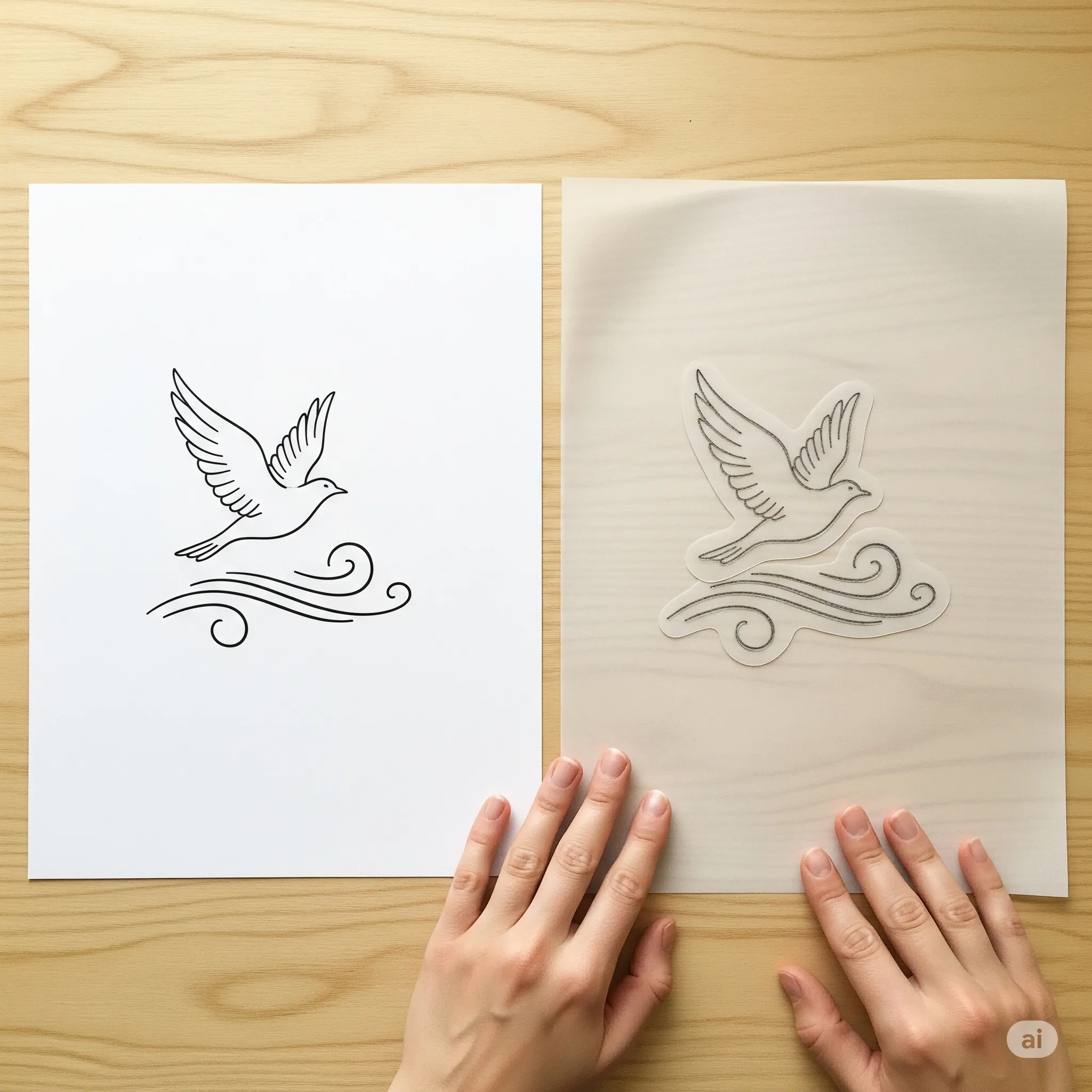
Start small. Even two minutes of mindful tracing can shift your nervous system. As you trace:
- Notice the sensation of your finger or stylus on the surface
- Feel the movement originating from your shoulder, flowing through your arm
- Observe how your breathing changes as you focus on the lines
- Let yourself be curious about what you notice, without judgment
You might be surprised by how much your body has to tell you—and how much it already knows about what you need to feel calm, centered, and whole.
Your embodied mind awaits
The next time you feel stressed, overwhelmed, or disconnected, remember: you don't need to think your way out. You can literally move your way back to center. Your hands hold a direct pathway to your nervous system, and that pathway is always available.
Tracing meditation isn't just about creating pretty pictures—it's about honoring the profound intelligence of your embodied mind. In a world that often asks us to live from the neck up, tracing invites you back into the wisdom of your whole being.
Your mind and body have been waiting to work together. All you need is a line to follow and the willingness to let your hands lead the way to healing.